Lightweight Chairs Under 1kg: 6 Top Picks for Hiking and Motorcycle Tours | Comparison Guide
Lightweight Chairs Under 1kg: 6 Top Picks for Hiking and Motorcycle Tours | Comparison Guide
A lightweight chair under 1kg isn't just about being light—it's a tool where weight alone doesn't guarantee the right choice. On a mountain summit, even a few minutes of sipping coffee becomes noticeably more restorative with a backrest, and on a motorcycle tour, a compact stored length means your saddlebags and rack space fit together so much more easily.
A lightweight chair under 1kg isn't just about being light—it's a tool where weight alone doesn't guarantee the right choice. On a mountain summit in Japan, even a few minutes of sipping coffee becomes noticeably more restorative with a backrest, and on a motorcycle tour, a compact stored length means your saddlebags and rack space fit together so much more easily.
In this article, we divide the under-1kg range into under-500g portability-focused tier and 700–1000g comfort-balance tier, comparing six products from Helinox, Logos, and Captain Stag from a practical perspective for hiking, touring, and day camping. By laying out weight, storage size, load capacity, price tier, chair type, and ideal use cases, you'll see the line between "prioritizing the weight of a 500ml bottle" and "stretching to 800g for better comfort."
What's tricky about picking a lightweight chair is less the raw numbers and more knowing which scenario actually reduces fatigue. We'll unpack that concretely and help you zero in on the one chair that fits you.
Three Key Criteria to Check Before Choosing an Under-1kg Lightweight Chair
An under-1kg lightweight chair changes character quite dramatically depending on "how much you prioritize lightness over comfort." Even across specialist media, the consensus is that under 500g is practical for hiking or walking-heavy trips, while 700–1000g is the realistic zone when balancing comfort. Sites like CAMP HACK, BE-PAL, and YAMA HACK show this dividing line pretty consistently.
- Start by narrowing down the weight tier
Under 500g is basically "light enough to always stash in your pack." The Helinox Chair Zero, at around 490–510g, feels roughly like a single 500ml water bottle. On a day hike where your base load is around 7kg, adding 0.5kg is manageable, and swapping that added weight for comfort during breaks becomes an easy call.
The 700–1000g zone is heavier in the lightweight category but tips toward "your back and waist actually rest properly." The Captain Stag Trekker The Light Chair UC-1835 at 1000g has a 300mm seat height. It sacrifices the portability of 500g-class gear, but sitting well off the ground makes repeated transitions—brewing food between tasks, forward bends during meals—much easier. If you're building lean solo gear, thinking about your total pack weight helps you make clearer choices. For more detail, check out our guide on solo tent recommendations too.
- Chair type and structure change how you rest
Breaking lightweight chairs into assembly-type, fold/collapse-type, and stool-type three categories makes them easier to organize.
Assembly-type chairs join poles and fabric to create the form—this is the mainstream approach under 1kg, and backrest models stay surprisingly compact. The Helinox Chair Zero, Helinox Ground Chair, and Captain Stag UC-1835 fall into this family. Backrest models in this category often fit into 30–40cm storage lengths, making them fit nicely into pack side pockets and motorcycle cargo gaps. The Ground Chair stores at φ11×11×30cm, and the UC-1835 at roughly 145×110×370mm, both sitting cleanly in that "30–40cm range."
Fold/collapse-types let you just spread and sit, so they're quick to set up. Great if you want a fast break each time you stop, but options that keep comfort and stay under 1kg are pretty limited.
Stool-type chairs are tripod or four-legged ultralight specialists. The Logos 7075 Cubic Chair weighs around 300g and stores at 5–6×27.5×5–6cm vertically—incredibly slender for portability. But without a backrest, the rest quality is a different beast entirely. It's handy for quick pause moments or using as a gear platform, but if you want to slow down for a meal or coffee, the satisfaction gap between a backrest chair and nothing is genuinely huge. I find a stool fine for "quick sits" while cooking, but once you factor in the time to boil water and catch your breath, you really feel how nice a backrest is.
💡 Tip
"7075 super-duralumin (A7075)" is a high-strength aluminum alloy often used in lightweight chair frames because it's easy to engineer strength. The Logos 7075 Trek Chair (with back) uses it as the main material.
- Load capacity, seat height, and stability go together
Lightweight models are a category where load capacity and stability differences are especially large precisely because they're light. Under 1kg, load capacity ranges from 60–150kg, and the same "lightweight chair" label hides pretty different peace-of-mind levels. A good rule of thumb: aim for at least 10kg buffer above your body weight on the rating. Load capacity is usually shown as a static (non-dynamic) target, not an estimate for plopping down hard.
Seat height matters too. The Helinox Ground Chair has a seat height around 22cm—quite low—which makes stretching your legs and relaxing easy, but getting up is a bit awkward. The UC-1835 sits at around 300mm, which is higher for the low-style category and easier to stand from. For people who jump up and down while cooking or pair a chair with a table, this difference matters more than you'd think.
Stability shifts with leg count, ground contact area, and whether the chair stands on its own. I once set up an ultralight stool at 1,200m elevation on a ridge, and the wind pushed it so much I had to hold it steady. Lightness is genuinely powerful, but it directly translates to "easy to blow away" and "tends to shift." On soft soil or grass, thinner legs sink more, and you feel wobble the moment you sit. Think of light weight and stability as a tradeoff—that framing makes the decision much clearer.
For instance, the Logos 7075 Trek Chair (with back) weighs about 400g, holds 120kg, and stores at 24.5×34.5×4.5cm. It's thin, has a backrest, so if you want lightness, storage, and rest quality all balanced, it's well-designed for you. The Logos 7075 Cubic Chair is 300g and 120kg capacity—astonishingly light—but your sitting freedom is limited. This isn't a simple win/loss; the value shifts based on how you want to rest.
6 Lightweight Chairs Under 1kg: Comparison Table
Specification table
Here's how the main six products line up on dimensions that show portability and rest quality. Weight follows published specs at writing time, with Chair Zero shown as "approximately 490–510g class" (reflecting flow-of-trade variation) since that data varies across sources. For Chair Zero's storage size, we strongly recommend readers double-check the official manufacturer page before final purchase, as it wasn't confirmed at submission.
| Product | Weight | Published Storage Size | Load Capacity | Price Range | Type | Best Use |
|---|---|---|---|---|---|---|
| Helinox Chair Zero | ~490–510g | Needs reconfirm | 120kg | ~¥17,380 (retail example) | Assembly | Hiking, walk camping, festivals |
| Helinox Ground Chair | 615g | φ11×11×30cm | 120kg | ~¥15,950 (Denali listing) | Assembly | Hiking, low-style camping, long breaks with views |
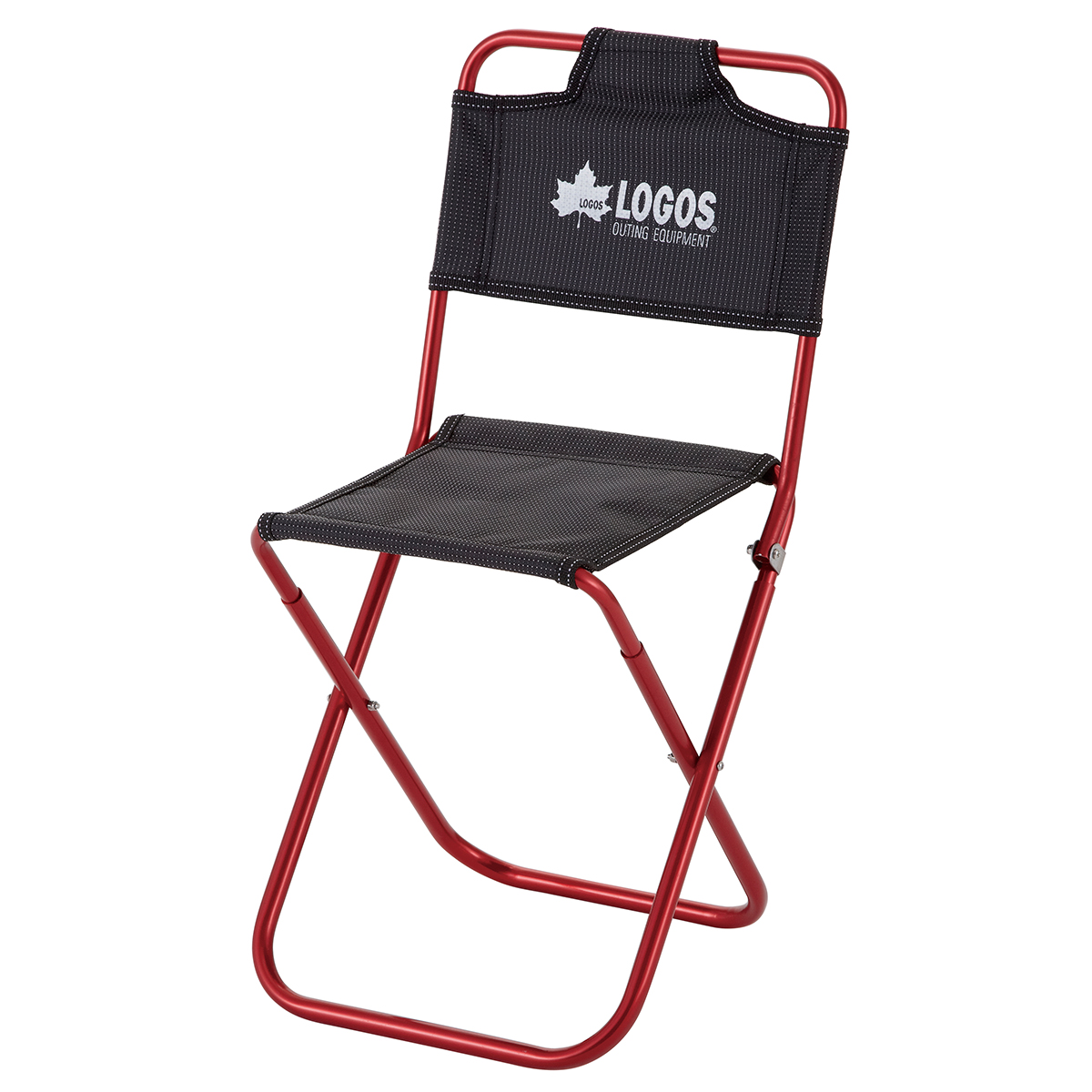
| Logos 7075 Trek Chair (with back) | ~400g | 24.5×34.5×4.5cm | ~120kg | ¥3,960 tax-included (official) | Assembly | Hiking, touring, secondary chair use |
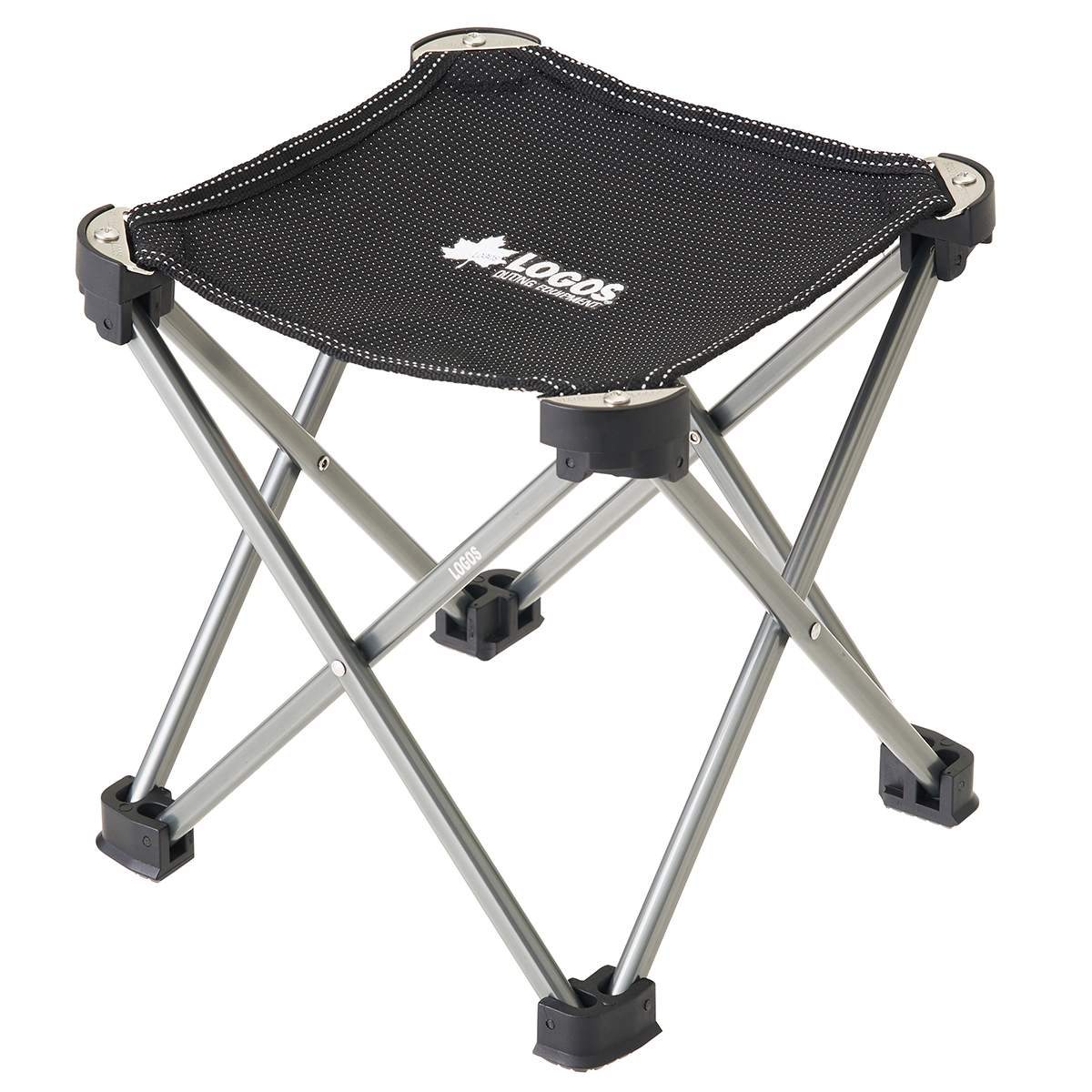
| Logos 7075 Cubic Chair | ~300g | 5–6×27.5×5–6cm | ~120kg | ¥2,970 tax-included (official) | Stool | Hiking, festivals, line-waiting, quick breaks |
| Moon Lence Outdoor Chair 2-way | ~900g | Needs reconfirm | 150kg (listed/reconfirm) | ~¥3,999 (HappyCamper listing) | Assembly | Touring, day camping, budget-conscious outdoor time |
| Captain Stag Trekker The Light Chair UC-1835 | 1000g | ~145×110×370mm | 80kg | Official ¥13,200 tax-included / Retail example ¥6,578 | Assembly | Touring, car camping, frequent stand/sit dining scenes |
The two Logos products are easy to find primary-source info on via official pages, so the numbers feel solid. Helinox products, meanwhile, show variation across domestic retailers, and Moon Lence has broad trade naming—so reading "how pinned down" each spec is makes comparison easier.
💡 Tip
Load capacity numbers show static weight targets, not how much wiggle room there is when you plop down. A 120kg rating isn't the same in all cases, and sitting carelessly won't get the same treatment across different chair designs.
Even just this table makes the character differences clear. The lightest is the Logos 7075 Cubic Chair at ~300g; for a backrest-equipped lightweight, the Logos 7075 Trek Chair (with back) at ~400g is the go-to; and for comfortable lightweight balance, the Helinox Chair Zero around 490–510g is the center. Shifting toward comfort-first, the Helinox Ground Chair at 615g appears, and adding ease-of-standing, the UC-1835 at 1000g becomes an upper-limit candidate.
(Stainless Parts)7075 Trek Chair (with back)|Gear|Furniture|Chair·Bench|Product Info|Logos Shop Official Online
The detailed product page for Logos gear "(Stainless Parts)7075 Trek Chair (with back)."
www.logos.ne.jpHow numeric differences hit you in the field
The first impact is weight. The ~500g Helinox Chair Zero feels roughly like adding one 500ml water bottle. If your day load is around 7kg, adding 0.5kg feels easy to accept for comfort during breaks. The 1000g UC-1835 is roughly double that. A 1kg difference looks small on paper, but on climbs or the walk from the station to camp, it builds up in your shoulders.
That heavier 1000g tier has its own appeal though. The UC-1835's 300mm seat height means standing and sitting is easier, and if you're like me—boiling water while seated, eating and standing, sitting to pack up—that height really helps. The Helinox Ground Chair's ~22cm class feels great for gazing and resting, but in cooking flow, there's a sensation of sinking too deep. Weight alone doesn't tell the story; how you rest reshuffles the value.
Storage size shifts your real-world packing feel. Especially for backrest assembly-type chairs, whether a ~30cm tube or bundle fits in your pack's side pocket directly affects field experience. Helinox Ground Chair's 30cm and UC-1835's 37cm work if external mounting is acceptable but will stick out of shallower pockets. The Logos 7075 Trek Chair (with back) at 24.5×34.5×4.5cm is flat rather than tubular, sliding in almost like a board—much easier on a bike or in a car gap. The Logos 7075 Cubic Chair's ~27.5cm is short enough to feel genuinely "compact," standing out for ease.
Load capacity shapes character beyond looks. Logos and Helinox 2-packs cluster around 120kg, but UC-1835 is 80kg. In this range, load capacity varies more than weight, which is what makes this category interesting. Even under 1kg, 120kg ratings aren't rare, so don't assume heavier always means safer. YAMA HACK's lightweight chair breakdown shows how big the swings are in the under-1kg zone, and reading load with structure and backrest presence makes choosing easier.
Price narrative also clarifies under side-by-side comparison. Logos 7075 Trek Chair (with back) at ¥3,960 official, 7075 Cubic Chair at ¥2,970 official, versus Helinox Chair Zero around ¥17,380 and Ground Chair around ¥15,950. This gap isn't just expensive-or-cheap; it's how much you pay for engineered lightness. Moon Lence 2-way at ~900g and ~¥3,999 sits in the middle—not the lightest, but cuts the price while offering a backrest. The model number isn't pinned down, so reading it as "~900g range" stays closer to reality.
Lined up this way, the split becomes quite sharp: 300–500g for walk-focused, 600g-ish for comfort balance, and 1kg-ceiling for dining/cooking ease. Lightweight chairs show meaning even in tens of grams, but in the field that difference translates to how you pack, how long you rest, and how easy standing/sitting is. When reading specs, converting those numbers into body movement makes the choice simpler.
For Ultra-Lightweight Priority: These 3 Chairs
300–500g range is your opening move for mountain hiking or UL-leaning kit. This tier's allure isn't chasing maximum comfort; it's the ability to keep a rest chair stashed in your pack and hike all day. Mountains have surprising moments where "having somewhere to sit is enough"; ten minutes resting feet on a chair versus straight on ground shifts fatigue recovery noticeably. In exchange, ultralight models have smaller seats and limited ground contact, so they sink easily on soft ground, and backrests are more "lightweight rest platform" than "sink in and nap." It's a tradeoff built in.
Helinox Chair Zero
The Helinox Chair Zero's position of ~490–510g with a backrest is genuinely special. It doesn't compromise as hard as a 300g stool, yet still gives you the peace of leaning back. This balance clicks with walk-heavy people. Amazon shows 490g net, and retail price examples float around ¥17,380.
The real driver is the backrest. Imagine boiling coffee at 1,500m elevation for a 10-minute sit—that backrest hits just under your shoulder blades, unwinding not just your legs but your whole upper half. Even shallow recline lifts rest quality when your back has a contact point. Sites like HiKER H's Chair Zero Review track similar notes.
On the flip side, chasing this lightness means the chair feels wobbly fresh out of the pack, and windy sites can feel unsettled in empty state. Once you dial in pole tension and placement, it settles, but this isn't a "plop and sprawl" chair. Rest quality is solid; stability is "within lightweight bounds."

Helinox Chair Zero Review|Is the 490g ultralight weight really usable for hiking?
"Is bringing a chair on hiking or camping really necessary?" you might be thinking. Sure, traditional outdoor chairs are heavy, bulky, and annoying to carry. But that common sense flips with the Helinox ultralight Chair Zero at 490g—the lightest in the lineup.
hiker-h.comLogos 7075 Trek Chair
The Logos 7075 Trek Chair (with back) grabs you with ~400g, backrest included—cleanly elegant numbers. Official specs: 24.5×34.5×4.5cm, ~120kg capacity, ¥3,960 official. The storage shape is really practical; instead of a tube, it folds board-thin, sliding into pack backs or car gaps far easier than most. Check Logos 7075 Trek Chair Official for details.
The standout is that it's light but not "pure stool"—26cm seat, 48cm height with backrest means you rest your weight without hunching forward. Not Cup-Zero-wrapped, but having any back support keeps slouch from locking in during breaks. Trails, transit on trains/buses, day events—all very packable.
Plus 7075 super-duralumin frame at ~120kg load capacity means it looks delicate but numbers stay solid. You don't get the doubt some light chairs carry. "Backrest, 400g, flat storage" bundles really well—perfect for mountain breaks, touring pit-stops, or secondary-chair duty.
Logos 7075 Cubic Chair
The Logos 7075 Cubic Chair leads with ~300g—your lightest option. Official: 5–6×27.5×5–6cm, ~120kg capacity, ¥2,970 official. The numbers alone declare ultralight stool territory.
Comfort? Total different lane from backrest models. Pure "quick seat" specialization—boil water for minutes, retie a boot, gaze while perched low. Not for long reclines, but "this is so light I'd actually pack it" carries real psychology. That mental clearance matters in UL kit selection.
Square seat means a touch more stability than tripods once placed; you won't sink to ground-level. 21cm height means a low posture, but not "bottomless pit" feeling. Quick-break specialist. Check Logos 7075 Cubic Chair Official for full details.
Lined up, it's clear: backrest comfort too? Chair Zero. Flat-pack backrest balance? Trek Chair. Lightest and done? Cubic Chair. Building light solo gear is as much about your whole kit—check our tent size guide—as individual pieces.
7075 Cubic Chair (Gray)|Gear|Furniture|Chair·Bench|Product Info|Logos Shop Official Online
The detailed product page for Logos gear "7075 Cubic Chair (Gray)".
www.logos.ne.jpFor Comfort Balance: These 3 Chairs
If motorcycle touring or day camping tips the scale more than hiking, 600–1000g range for comfort becomes real-world sense. Weight climbs, yes, but backrests gain angle and seat-width, shifting rest from "sit" to "proper recovery." Tooling a forest road, a backrest chair transforms that pit-stop from brief pause to genuine fatigue-shake. And your load? Yes, 30cm-plus tube becomes visible. But bikes pack that shape well—saddle bags and side-bags swallow it cleanly. Less weight-obsessed, more "comfort after arriving."
Helinox Ground Chair
The Helinox Ground Chair anchors this tier clearly: 615g, φ11×11×30cm storage. Not ultralight-tier, but rest reliability kicks up sharply.
Star trait: low-seat, deep-sit comfort. 22cm seat height lets your back unwind and legs stretch—feet-out rest before a campfire feels genuinely great. That low angle lifts mood sipping post-meal coffee. Weights push toward furniture, not ultralight tool. Trade: standing flows slower. Repeated sit/stand (cooking dance) gets less smooth. Works better "sit and stay a while." Soft ground sinks the legs, so ground texture matters. BE-PAL's lightweight chair feature lists it among comfort priorities.
10 Lightweight Outdoor Chairs|Compact, Easy to Carry! Recommended Models with Comfortable Seating
Chair 【BE-PAL】
www.bepal.netMoon Lence Outdoor Chair 2-way
Moon Lence 2-way leans on affordable comfort-adjustment. Leg-swap lets you change seat height—low for lounging, taller for dining flow. That swap freedom shapes rest mode to the day.
Rough figures:
| Product | Weight | Load Rating | Price |
|---|---|---|---|
| Moon Lence Outdoor Chair 2-way | ~900g (model variation exists; confirm) | 150kg (listed/confirm) | ~¥3,999 (retail example) |
ℹ️ Note
Moon Lence flows across multiple distribution models with varying weight/load/storage per model number. This entry reflects "representative retail listing examples." On purchase, always cross-reference the shop's model number against maker/distributor specs.
The magic: height swing makes rest-quality adapt. Tour pit-stop—go low, legs forward, hips really breathe. Cooking time—raise it, standing/sitting rhythm gets slick. That "little easier" stackups matter on long days outside.
Watch: Moon Lence specs mix freely across retail. 150kg shows in listings, but read as static-load from the shop. Same brand name, fine-print drift. This range feels less "precision product" and more "cozy 2-way candidate." YAMA HACK's lightweight review notes how load-rating reading matters even more here.
💡 Tip
The 700–1000g zone trades off hiking-easy for "body really recovers." 2-ways especially: "today fire-focused?" "today dinner-focused?" adapts easily. Numbers feel less crisp than specs, satisfaction often lands bigger.
Captain Stag Trekker The Light Chair UC-1835
Captain Stag's Trekker The Light Chair UC-1835 is 1kg-tier benchmark-clear: 1000g, ~145×110×370mm, 80kg load. It's heavier in ultralight terms, but practical maturity shines through.
Best facet: real-world use stays smooth. 300mm seat means no sinking-deep penalty; cooking half-crouch or reload-sit loops feel frictionless. That height grounds a sense of "tool reliability" that ultralight phases out. Pair with food-prep momentum, and this chair unlocks genuine comfort.
Price: Captain Stag official is ¥13,200, but Yamada Web example sits at ¥6,578—easy to benchmark. As 1kg questions "how much comfort fits here?" UC-1835 defines a baseline.
Trade: 80kg load, not 120kg like most. That specificity matters. Load-rating variance across ultralight lines matters more than raw weight, so UC-1835 stands as its own design call: lighter-than-desk-chair, still grown-up enough for cooking-heavy days.
Field Splitting: Hiking, Touring, Camping
Mountain hiking (walking-first)
Walking dominates = "Can I carry this always?" comes before comfort. Ultralight chairs don't generate rest unless you pack them. The question answers itself with 500g or less.
Helinox Chair Zero and Logos Trek Chair both nail this: ~490g and ~400g weigh nothing on the mental "to carry" meter. Mountain moments click: boiling at peak, eating on ridge, organizing camp—all short rests where feet off ground + back support = huge fatigue shift. You don't need long sits for a backrest to earn keep.
Opposite end: Logos Cubic Chair (~300g) is ultralight-perfect as a concept, but no backrest means "plopping" versus "unwinding." Stool speed beats backrest depth for stove-fiddling. But if you want 20min on a ridge, backrest gap vs. none lands viscerally. Author experience: stool fine for "quick squat," but once you add the tea break, backrest relief shows clearly.
Wind on summits shifts practice—ultralight alone in open means using a stuff-sack or loaded pack as ballast so things don't roll. It's light = fragile equation playing out.
Bike touring (load-first, comfort-second)
Bikes drop weight-per-km calculus—hundreds of grams less dire than hiking. 700–800g for comfort becomes real play. Touring rest feels different: post-ride, back and hips crave proper unwinding; seat height matters; adjustability helps. Helinox Ground Chair's low-seat magic feels bigger parked roadside, Moon Lence 2-way's height-swap smooths food rhythm, Captain Stag UC-1835's 300mm takes cooking-stand ease to new level.
Pack-fit: ~30cm tube or 30–40cm storage slots bike bags nicely. Ground Chair's φ11×11×30cm threads saddlebag gaps. UC-1835's 370mm length, once placement locks, sits fine on racks. Walkers fret tube length; bike riders fret "where does this sit?" The shape-math flips.
Honest bias: on touring, backrest presence lifts satisfaction disproportionate to weight. Covenience-store lunch tastes better in a chair. Coffee-brewing stop becomes reset, not re-load. Dropping grams less critical when "finally sitting decent" reshapes 8-hour-ride feel.
Frame selection: Move hand → permitted weight → backrest yes/no → storage length → load capacity narrows fast. Bikes soften weight strictness; backrest need then drives load rating. Ride-pause restfulness beats scales.
Festival/day camping (sitting-first)
Long-sit scenarios—waiting lines, pre-show, food-setup hours—pivot from "carry" to "stay." 700–1000g comfort tiers shine hardest here. Lying back watching fire is Helinox Ground Chair truth, but festival-wait? Sitting too low tanks morale when crowds stand/shift nearby. Sightline drops, standing friction climbs. Author once swapped Ground Chair to 2-way mid-event, raising height; suddenly waiting felt bearable instead of bottom-level.
Day camp: cooking looms bigger than hiking—standing/sitting reps stack. Height adjustment (2-way) or mid-range height (UC-1835) smooths that workflow. Deep-sit bliss meets reality: sit deep for food prep = up-and-down speed hit. Mid-zone = compromise sweetness point. Tent rain-protection guide overlaps: whole-site comfort, not chair alone.
💡 Tip
Tour chair crush ≠ mountain summit crush. Sightline height, stand/sit frequency, meal-time duration all flip chair-sweet-spot. Same "ultralight" tool, different optimal tier.
Soft ground & wind: field-survival patterns
Soft ground is lightweight's quiet killer. Thin legs punch through damp grass/sand/mud. Low-seat models feel solid (center-of-mass lower), but legs sinking = seat tilting hard once subsurface gives. Wet dew-morning turf, post-rain squelch, sandy shore—watch for this. Legs can bottom out, seat cants, then cleanup gets annoying.
Countermeasure: boards under feet, wide-foot gear if available, small plywood sheets as pads. It's extra pack weight, but solving it field-style (not feature-engineering heavier chairs) keeps ultralight math honest.
Wind = light = friable. Empty chair in ridge wind = rolls/tumbles risk. Braced against ruck, pinned by loaded bags, snagged to fixed point—all practical moves. Ultralight-specific: lightness buys portability, costs stability. Pack-weight compensation = standard practice.
Soft-ground + wind reading → Soft ground priority = accept medium-weight models with wider footprint. Wind priority = expect to brace/anchor ultralight. Conditions drive spec-read.
Lightweight Chair Caveats
The allure of lightweight is real, but there's genuine cost. Load capacity reading is the biggest miss. "Static load" framing (Logos 7075 Trek applies it) means quiet sitting, not energetic plopping or cooking-crouch weight-shifts or one-side loading. Body weight + 10kg buffer reads closer to field reality than number-exact. Some ultralight models hit 80kg capacity, so don't auto-assume they all play the same.
Sitting depth adds hidden tradeoff. Fabric-tension models wrap comfortably but deep sinks fight standing. Helinox Ground Chair's low-recline magic wears thin mid-meal when you're popping up repeatedly. Deep comfort and easy-standing pull opposite directions—expect this, not surprise.
Wind on ultralight is feature-turned-bug. 300–400g chairs blow; siting empty = risky. Author brushed equipment over a morning—light chair shifted with gust, tumbled slightly. Empty state = no anchor. Fixing this: ballast inside/around, guy-line improvisation, wind-ward body bracing—all add hassle. Lightweight speed trades for real-field adaptation cost.
Ground-contact mismatch: thin legs on soft soil = sinking tilt. Wet grass am-dew, rainy-day mud, sandy camps—spindly feet dig in, seat cants, balance surprises. Back-home testing won't catch it. Remedy: ground pads, wider feet if offered, or acceptance that "overnight muddy feet, frame-edge soil" happens post-retreat.
Framing name-drops matter but don't autosolve durability. "7075 super-duralumin used" sounds bombproof, and A7075 is high-strength. But per Mitsuri Media's A7075 primer, high strength needs surface care—sea-spray zones, wet-storage habits, mud-crusted leg-tips all outrun material magic. "7075 = forever durable" skips to wrong conclusion; design + use-habit matters more.
💡 Tip
Lightweight chairs are "carry comfort," but real feel = load-capacity margin + sink-depth feel + wind fragility + foot-sinking trade + mud-post-use headache. Paper specs pretty; field realism messier.
Final Word
Absolute-light = Logos 7075 Cubic Chair; backrest non-negotiable = Logos 7075 Trek Chair. Comfort-priority = Helinox Ground Chair; budget-start = Moon Lence 2-way. First-timer baseline = Helinox Chair Zero. Narrow by: transport type → weight ceiling → load margin → storage length → backrest yes/no. One-nighter, mixed walk/train? Chair weight reshapes total-kit feel, so confirm specs against official sources, flag unknowns as "reconfirm before buying."
Related Articles
High Style vs Low Style Camp Setup: 7 Factors That Actually Matter
The right camp setup height has less to do with looks and more to do with how you spend your time outdoors. We break down posture, standing frequency, fire proximity, cooking, vehicle loading, child safety, and winter cold across seven axes to help you decide between high, low, or mixed-height configurations.
Best Low Camping Chairs in 2024 — 8 Options Compared Across 6 Key Axes
Pick the wrong chair for a low-style camp setup and suddenly the campfire feels close but standing up becomes a chore, and your morning coffee turns into a back workout. This guide breaks down low camping chairs across 6 axes — seat height, posture and recline angle, ease of standing, storage design, weight and packed size, and fabric fire resistance — comparing 8 models as if you could try them all side by side.
How to Choose a Camp Table | Compare by Height and Material
Camp tables come in many varieties, but comparing by height × material × size × storage shape makes the choice surprisingly simple. The key is deciding on your chair seat height and whether you'll use it mainly for dining, cooking, or campfire cooking.
How to Choose an Outdoor Chair in Japan and Compare Sitting Comfort
Choosing a camping chair in Japan might seem overwhelming due to the variety available, but the process becomes much simpler once you decide what takes priority: dining, campfire time, relaxation, or portability on foot. For seat height, aim for 40–50cm for high-style chairs and 20–35cm for low-style chairs. When you combine this with storage methods—folding, collapsing, or assembly types—and match them to your use case, the right chair becomes clear.