6 Best Camping Fire Pit Mats Compared by Continuous Use Temperature
6 Best Camping Fire Pit Mats Compared by Continuous Use Temperature
When choosing a fire pit mat in Japan, you'll have better results by prioritizing continuous use temperature rather than just picking something that 'looks heat-resistant.' If you want to properly protect grass sites or wooden decks, aim for 700°C or above. With low-profile fire pits, layer a high-heat-resistant mat with reflective insulation, or ensure adequate clearance from the ground.
Choosing a fire pit mat in Japan becomes much easier when you prioritize continuous use temperature rather than just picking something that "looks heat-resistant." If you're serious about protecting grass sites or wooden decks, aim for 700°C or above. With low-profile fire pits, you'll want to either layer a high-heat mat with reflective insulation or ensure sufficient ground clearance.
In this article, I'll compare six products—from DAISO to BUNDOK to Coleman—across heat resistance, material, size, ease of anchoring, and storage, using the same evaluation criteria. I've personally tested stacking a high-continuous-temperature sheet with aluminum reflective insulation under a low-profile pit on an autumn grass site, and the ground discoloration was significantly reduced. That said, a single layer alone sometimes leaves a warm feeling at ground level. This guide is for anyone who wants to choose the right mat without taking the long way around.
Understanding Fire Pit Mats: Key Basics Before You Buy
The Difference Between Continuous Use Temperature and Peak Durability Temperature
The first distinction to make when shopping for a fire pit mat is that continuous use temperature and peak durability temperature are not the same thing. As outlined in BE-PAL, continuous use temperature represents the upper limit at which material can withstand sustained exposure without losing performance—this is the real metric for a mat you'll place under your pit long-term. Peak durability temperature, by contrast, measures brief contact with flying embers or momentary high heat, and despite what the big numbers suggest, those figures don't guarantee safety.
Misunderstanding this can lead you to fixate on impressive-sounding specs. For example, solo-oriented flame-resistant fiber models sometimes show continuous use at 250°C but peak at 1300°C. The 1300 is eye-catching, but when you think about the steady heat your mat receives under a fire pit, the 250 is actually what matters. Fire doesn't spike briefly and cool—it applies warmth steadily over time, so your sheet needs "endurance" more than "peak power."
Think of it like cooking. A pan briefly catching flame is different from low heat sustained for hours. A fire pit mat works the same way: the ground directly below the pit experiences "heat that lingers" more than "one burst of extreme temperature." Even with a low-profile pit doing a long simmer, I often notice ground warmth before the mat itself shows wear. That's why leading with continuous temperature as your selection criterion prevents second-guessing.
6 Recommended Fire Pit Mats. Explaining Necessity, Material Types, and Selection
Firewood Holders and Fire Starters [BE-PAL] Camping, Outdoor, and Nature Living Information Source BE-PAL
www.bepal.netThe Real Purpose and Limits of Fire Pit Mats
Fire pit mats serve two main functions: catching flying embers and fallen coals to prevent fire spread, and reducing heat transferred to the ground. These sound similar but are actually different capabilities. The first is a defensive barrier against falling combustibles; the second addresses how well the material blocks heat itself.
Splitting these functions changes how you view products. Take fiberglass and silica fiber sheets—they're standard for ember protection, but ground temperature reduction isn't determined by material name alone. Thickness, layering, and your pit's ground clearance all affect results. As Honda's guidance shows, a single mat sometimes isn't enough insulation on grass or wooden decks, pointing toward layered solutions. Heat resistance and reflective insulation aren't the same measurement.
In third-party testing, mats 0.6mm or thicker kept ground temperature below 60°C when exposed to 650°C wind at 10cm distance for ten seconds. Meanwhile, some products developed holes when exposed to actively burning logs. This reveals the truth: fire pit mats are "heat-reducing" and "ember-stopping" tools, not fireproof panels. Even with a pit, your mat becomes your ground's final shield on grass or decks—but it's designed to manage heat, not sustain direct burning.
💡 Tip
On windy days, I position the downwind edge with extra clearance. The ground warms fastest downwind, since radiant heat plus wind-carried warmth concentrates in that direction.
Looking at this way, models like the BUNDOK Fire Pit Sheet BD-498—roughly 60×60cm with 700°C continuous temperature—work well for solo use but don't leave much safety margin on low-profile pits over long periods. Conversely, 1000–1100°C silica fiber products pair beautifully with extended fire management. Yet high numbers don't automatically guarantee perfect ground protection, which is where fire pit mat selection gets tricky.
Why "700°C and Above" Is the Benchmark
The 700°C threshold exists because fire flames can reach 700–800°C. As hinata notes, you want a continuous temperature that at least matches the fire's heat range. On paper, 700°C seems sufficient, but you're operating right at your fire's ceiling, with almost zero safety margin. When flames push toward 800°C, you could exceed the mat's rating.
With extended fire time—slow-cooked meals, persistent coals for nighttime warmth—that "thin margin" compounds. My experience with low-profile pits during long cooking sessions is that even numerically adequate specs feel precarious. A 1000°C silica fiber mat, by contrast, lets you tend your fire without overthinking heat management. When coals build up, you can simply focus on cooking.
700°C is a solid starting line. The BD-498's 700°C rating pairs nicely with its 60×60cm size and ~140g weight—lighter than a smartphone, easy to tuck into a pack. But when conditions stack up—low profile, extended time, grass or wooden surface—you'll want thermal headroom beyond the bare minimum.
Conversely, 550°C models are common. Montagna's Fire Pit Ground Sheet, SINANO WORKS' Large, and similar options carry this rating. They handle ember protection and ash collection, but against a fire's actual temperature range, 550 feels underpowered as a primary defense. From a ground-protection angle, "the mat is there, so we're fine" doesn't hold up the way "how much sustained heat can this absorb" does in real conditions.
Complete Fire Pit Mat Comparison! 9 Recommended Options Including Workman and 100 Yen Shops
Camping and Outdoor Information Media hinata
hinata.me6 Recommended Fire Pit Mats Compared by Heat Resistance
Comparison Table
Prioritizing continuous use temperature while aligning size, grommet anchoring, and portability shows how these six products stack up. Fiberglass options are affordable with lots of choices—some reach 700°C—but many sit at 500s. Don't trust material name alone; verify each product's continuous spec. Silica fiber often hits 1000°C+ but specs aren't always published here. Aluminum reflective types aid as supplements more than standalone replacements.
| Product Name | Material | Continuous Temp | Peak Temp | Size | Weight | Grommets | Storage Bag | Best For |
|---|---|---|---|---|---|---|---|---|
| BUNDOK Fire Pit Sheet BD-498 | Requires official check | 700°C | Requires official check | ~60×60cm | ~140g | Requires official check | Requires official check | Solo, lightweight camps |
| Montagna Fire Pit Ground Sheet | Requires official check | 550°C | Requires official check | 80×60cm | 280g | Requires official check | Requires official check | Solo to duo, extra clearance |
| Coleman Fireplace Sheet | Requires official check | Requires official check | Requires official check | 80×80cm | 400g | Requires official check | Requires official check | Duo to family, broad protection |
| SINANO WORKS Fire Pit Sheet Large | Requires official check | 550°C | Requires official check | 90×60cm | 400g | Requires official check | Requires official check | Family, wide pit layouts |
| DAISO Fire Pit Sheet | Fiberglass | Requires official check | Requires official check | 40×32cm | Requires official check | Requires official check | Requires official check | Mini pits, ash support, budget-conscious |
| ZEN Camps Fire Pit Reflective Heat Shield | Requires official check | Requires official check | 180°C | Requires official check | Requires official check | Requires official check | Requires official check | Low-profile assist, reflective priority |
Price information wasn't confirmed for this lineup, so individual entries note "Price: Requires official check." Retailers typically include Amazon, Rakuten, and official sites. The text below separates products with published temperatures from those without for clarity.
BUNDOK Fire Pit Sheet BD-498
The BUNDOK Fire Pit Sheet BD-498 stands out immediately for its 700°C continuous use temperature, clearly stated. At roughly 60×60cm and ~140g, it's remarkably portable—lighter than a smartphone, easy to slip into a pack. Price, material, peak temp, grommets, and storage bag all require official verification. You'll find it on Amazon, Rakuten, and official channels.
The 60×60cm footprint pairs naturally with small solo pits. In practice, I find this size leaves enough room for the pit itself plus a small staging area for tongs or split wood, streamlining the cooking workflow. That lightweight feel during solo coffee sessions or low-and-slow fires is genuinely rewarding.
That said, 700°C represents the "passing grade," not a comfortable buffer. With low-profile pits and extended fire time, you're operating at capacity rather than with a safety cushion. The BD-498 is best framed as lightweight and adequately heat-resistant for solo campfire, balancing portability with practical durability. If you want broader coverage for a group, a larger 80cm option might feel more natural.
Montagna Fire Pit Ground Sheet
Montagna's Fire Pit Ground Sheet brings 80×60cm (280g), a step up in coverage with still-reasonable weight. Continuous temp: 550°C. Material, peak temp, price, grommets, and storage all require official verification. Amazon, Rakuten, and official retailers stock it.
This 80×60cm footprint is genuinely handy in the field—roomy for solo use, never cramped for two, and forgiving when ash scatters on windy days. The extra space lets you position firewood staging and tool placement comfortably. One downside: 550°C is clearly conservative on the heat scale. It's fine for ember catching and ground cleanup, but for serious sustained fire cooking, the temperature margin is snug. Montagna sits well as prioritizing broad coverage over peak heat tolerance, appealing to people who want a cleaner site layout over maximum thermal safety.
Coleman Fireplace Sheet
Coleman's 80×80cm square format (400g) is arguably the most design-confident layout—balanced protection all around. Material, continuous temp, peak temp, price, grommets, and storage require official verification. Standard retailers include Amazon, Rakuten, and official sites.
The 80×80cm square shines when you want equal margins front-back-left-right. When juggling pots or swapping firewood, even-perimeter coverage is forgiving. Family setups especially benefit—kids circling the fire don't feel cramped, and the symmetric layout works with most pit shapes.
💡 Tip
80–90cm squares let you create a clean "nothing here" zone around the pit. When cooking involves frequent tool placement changes, that breathing room is gold.
Without published thermal specs, Coleman appeals to people who value size confidence over heat documentation. Great for grassland or decking setups where you want broad, undeniable coverage. Those who fixate on temperature specs will find judgment material thin.
SINANO WORKS Fire Pit Sheet Large
SINANO WORKS' 90×60cm (400g) emphasizes landscape width, showing 550°C continuous. Material, peak temp, price, grommets, and storage require official verification. Find it on Amazon, Rakuten, or the official site.
This horizontal stretch is wonderfully flexible. Landscape-oriented pits or placing staging areas beside your pit becomes natural rather than awkward. Families especially appreciate that 90cm width—kids have more perceived space, and the site feels less congested. At 400g, it's not ultralight, but car-camping comfort gains are genuine.
On heat tolerance, 550°C aligns with Montagna—solid for ember management but not a hero for intense sustained burning. View this as prioritizing spacious layouts, better for drivers than backpackers. The 400g weight is noticeable for minimalists but translates directly to on-site ease.
DAISO Fire Pit Sheet
DAISO's 40×32cm entry (0.1cm thick, fiberglass noted) is honestly a training-wheels option. Continuous temp, peak temp, weight, price, grommets, and storage all require official verification. Availability skews toward DAISO retail and official channels.
At roughly 30–40cm, this handles mini pits and ash-catcher duties but can't shoulder primary ground defense for standard camping. That said, DAISO's appeal is accessibility and clarity. You know it's fiberglass; you understand the product category; price barriers vanish. For price-conscious experimentation, duct-tape-on-a-budget setups, or ash-catch-only roles, it's useful. For serious grass-site protection, you'll outgrow it fast.
ZEN Camps Fire Pit Reflective Heat Shield
ZEN Camps' aluminum-type is fundamentally a reflective assist, not a standalone mat. Published "180°C heat rating" (per product docs) is on-surface tolerance, not long-duration load capacity—a critical distinction per fact-checking. ZEN Camps specifies 9cm+ pit height for safe use. This is layering-assist gear, not a primary defense. Material, continuous temp, size, weight, and price all require official verification.
Material Breakdown: Fiberglass, Silica Fiber, and Flame-Resistant Fiber
Fiberglass: Cost, Prickliness, and Coatings
Fiberglass dominates the market—it's the default first choice. BE-PAL and hinata center on it, and model variety is broad. Models like the BD-498 hit 700°C, landing in practical solo territory.
The hand-feel difference is immediate: fiberglass can feel prickly when bare-handed. During fold-up and storage, those fibers stick to skin. I often wear thin gloves for the handling phase alone. The irritation peaks during pack-away, not active campfire work.
Silicone or other coatings smooth this out considerably. Coated models feel gentler and shed ash more easily. Uncoated options broadcast fiber texture—comfort varies wildly by product. Fiberglass is "affordable and performant" but feel depends heavily on finish. Choose wisely.
Silica Fiber: High Heat and Cost Considerations
Silica fiber targets maximum heat resistance. Most models hit 1000–1100°C, pairing beautifully with low-profile pits or extended coaling. Long simmer sessions feel dramatically less anxious. Nighttime fire-tending is genuinely more pleasant with that margin.
The tradeoff: price climbs noticeably. Silica reflects the "premium choice" tier. For extended, high-heat camping on grass or wood, that premium pays dividends.
One caveat: high temperature alone doesn't guarantee longevity. Weave density and surface treatment matter more than name. Edge fraying, crease persistence, and ash-wipe roughness all vary. Premium materials justify scrutiny beyond the temperature figure.
Flame-Resistant/Carbon Felt: Softness and Temperature Range
Flame-resistant or carbon-felt materials charm with softness and low weight. True folds rather than crumpling, easy packing, no prickliness—genuinely comfortable handling. Pack weight feels negligible.
The catch: temperature ranges wildly. Light solo models sometimes show ~47g but bottleneck at 250°C continuous. The big peak-temp numbers distract from the real (low) continuous rating. Softer materials risk hosting weak-point products—handle those specs carefully.
That said, don't dismiss this group. Models bridging ~700°C continuous while retaining softness exist and offer real charm—easy folding, gentle feel, practical heat. For people who value "clean pack-away and pleasant unwrapping," these are underrated.
Thickness and Heat Blocking: The 0.6mm Threshold
Material gets attention, but thickness shapes ground protection. MyBest testing showed 0.6mm+ mats holding ground temps below 60°C under 650°C wind at 10cm for ten seconds. Thickness directly impacts the insulation feel. Thicker mats mean gentler residual heat at pick-up time. Thin models pack light but demand care on low-profile pits during extended cooking.
Specs about temperature are one story; the fabric construction itself—thread count, coating, thickness—completes the picture. Material + thickness pairing determines whether a high-rated sheet feels impressive or just competent.
Failing Gracefully: Low-Profile Pit Success
Low-Profile Risks and Safeguards
Low-profile pits concentrate heat downward—your mat absorbs relentless, sustained warmth. Here, continuous temperature margin is your real asset. Ideally, push toward 700°C+; for low-profile multi-hour cooking, 1000°C silica feels meaningfully safer.
700°C models function but operate at capacity—fine for short solo sessions, but problematic during evening simmers. Honestly, when I'm using a ~10cm-clearance pit for extended meals, instinct says "double layer or upgrade." Real-world experience: aluminum reflective backing + a 700°C mat beneath kept a grass site almost unmarked. Single-layer setup on an equally low pit left the turf faintly yellow. Theory and practice diverge here.
Honda's guidance mentions layering as effective on fragile surfaces. Dry-leaf zones, sparse grass, or precious wooden decks warrant "more than enough" safeguards, not "just enough."
Leveraging Reflective Backing
Low-profile success often means pairing your primary high-temp mat with a reflective (aluminum) layer to partition roles: base mat absorbs and stops embers; aluminum below reflects radiant heat away from ground. This two-tier system noticeably mellows the lingering warmth.
💡 Tip
Low-profile doesn't mean "choose high-temp OR layer reflective." Both together give you real peace of mind on grass or wood. That extra minute of setup pays in confidence.
Critical point: reflective mats aren't replacements for thermal mats. ZEN Camps' reflective sheet tops out at 180°C and specifies 9cm+ pit height. It's a brilliant assist—not a primary defense. Stack them correctly: high-heat mat first, reflective bonus second.
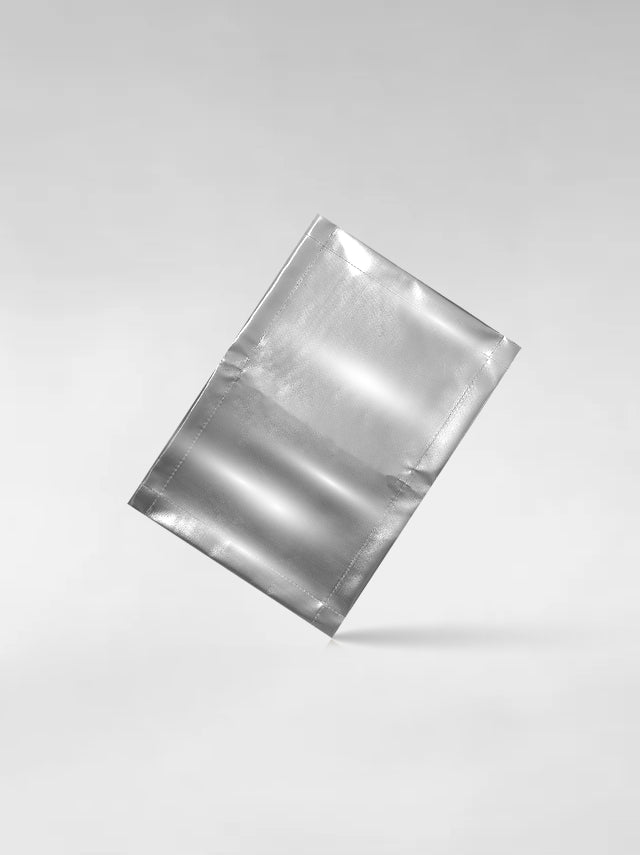
Fire Pit Reflective Heat Shield
When using this sheet, radiant heat from the pit is reflected by aluminum, providing a reflective heat-shielding effect that makes heat transmission to the ground difficult. While standard fire pit mats prevent flying-fire ground ignition, radiant heat sustained over time transfers to ground via the mat, so
zen-camps.comHeight Gains and Wind Direction Awareness
Operational choices matter as much as mat selection. Low-profile pits benefit from even slight underside stacking to lift the fire bed. A few centimeters of added clearance genuinely shifts ground warmth perception. Wind routes residual heat—your downwind edge needs extra margin. Offset the pit slightly windward to amplify downwind buffer.
Burn style shapes heat too. Coals over big flames, steady simmer over hot roar, and tending the coals mid-fire all contain heat better than "ignite and let rip." Evening cooking pairs beautifully with restraint—you get flavor, ground safety, and mental ease.
These habits—ground clearance, downwind spacing, coal-forward burning—let your mat work optimally. Low-profile charm requires full-stack discipline to shine safely.
Reading Size, Weight, and Storage Smartly
Solo Baseline: ~60×60cm
Size isn't "bigger = safer"—instead, use pit width × 2 or pit footprint × 4 as your mental math. A 30cm solo pit suggests ~60cm square, since (30 × 4) ≈ 3,600cm² ≈ 60cm side. This benchmark leaves ash scatter room while staying packable.
BUNDOK's ~60×60cm at ~140g exemplifies this sweet spot—covers the pit, adds staging space, travels light. DAISO's 40×32cm is cramped for real pit use, even if technically deployable.
Weight scales candidly: 100g to 1kg+ range. For foot traffic, every 100g of saved bulk registers. BD-498's ~140g is negligible. At 200g you're still trivial; past 500g you'll consciously weigh the option each trip.
Family/Group Baseline: 95×60cm+
Groups and auto-camping demand workspace around the pit, not just coverage under it. The feeling shifts around 90–95cm+ widths. Firewood, tongs, ash tools find natural homes. Wind-scattered embers land on the mat rather than near it. Kids circulating feel less congested.
Models hitting **95×60cm+ deliver tangible ease. Wider layouts settle tension. Your on-site workflow becomes instinctive rather than fiddly.
Weight jumps (280–430g range) matter less for car camping. The setup comfort gain outweighs the grams. For foot-based trips, though, that 400g stings vs. 140g.
💡 Tip
Solo = protect the pit area. Family = create a buffer workspace around the pit. This framing clarifies size decisions.
Grommets, Storage Bags, and Shape Finesse
Beyond dimensions, four-corner grommets simplify anchoring—peg them down and you prevent flapping and foot snags. Wider mats especially benefit; wind resistance is real, and anchored perimeters keep setup orderly.
Storage bags seem minor but shine at teardown. Mats collect soot; dedicated bags isolate it from cookware and fabric. Cleanup rhythm accelerates when you have a designated spot for "sooty gear."
Shape subtly shifts feel. 60×60 or 80×80 squares center naturally and feel balanced. 90×60 or 95×60 landscapes align with linear pit layouts and double as staging tables. 88×88 octagons look composed and work well directionally.
Match shape to pit and site shape for a more intuitive setup.
Fire Pit Mat Strengths and Caveats
Fire pit mats' real magic isn't philosophical—it's tangible ground preservation. Grass sites especially benefit. Burnt divots and char marks vanish when mats absorb ember fall. Cleanup accelerates because ash consolidates. Your site looks tended rather than scorched. That reputation follows you.
Operationally, post-fire cleanup is dramatically faster with a mat. Ash rakes onto the surface rather than scattering into soil. Smaller fragments collect tidily. When you're sipping post-dinner coffee, a contained pit-bed feels generous.
Real limitations exist: Never use a mat as a base for direct fire. Mats manage falling embers and dispersed heat—not sustained combustion. Loading burning logs onto the mat directly courts failure. Short contact during fuel staging is fine; prolonged burning exposure is not. This distinction is critical: the mat assists a pit-based fire, never hosts one.
Balance of Strengths and Cautions
Mat benefits condense to: ground protection, debris containment, accelerated cleanup, and reduced site scarring. These accrue naturally when you follow design intent.
Caveats: temperature ranges vary; higher numbers don't auto-guarantee ground temperature control; material feels matter; size mismatches frustrate; and durability depends on fabric construction more than temperature alone. Ultralight designs can shortchange resilience.
Maintenance Philosophy: Clean, Don't Obsess
Post-fire, cool and clear ashes thoroughly before handling. Hot or wet ash transfers soot and heat to gear. Containment prevents adjacent-item staining.
Water-washing depends on product specs. If your model permits it, gentle soap soak, cool rinse, and air-dry in shade removes soot gracefully. If not, damp cloth then dry cloth dusts off surface grime. One overnight hang and odor fades markedly.
Drying matters: surface moisture evaporates fast, but fold creases trap dampness. Shade-dry thoroughly before storing. Trapped moisture hosts soot set-in and musty smells. Fiberglass weaves especially benefit from a day's rest.
Storage bins segregate sooty gear naturally. Your fabric tent and mat don't commingle; everyone stays happier.
Using Your Fire Pit Mat Safely
Layout and Anchoring
Begin with a flat lay, wrinkles smoothed out. Uneven ground wobbles your pit, destabilizing cookware and creating psychic unease. Remove debris and flammable litter beforehand. A tidy site is calmer to cook on.
Position the pit slightly windward rather than mat-center. Windblown ash and scattered embers drift downwind; offset placement channels that drift onto the mat rather than past it. A 60cm mat that flanks a pit captures drop better than a tiny mat centered underneath.
Four-corner anchoring via grommets prevents flap and shifts. Pegs on soft ground, weights on hard ground or decks, both equally effective. Set corners first, then center your pit. Stability begets confidence.
When layering reflective backing, remember: thermal mat is your primary, reflective is your assist. Stack logically; expect the reflective to supplement, not replace.
Fire-Time Discipline
Never place burning logs or active coals directly on the mat for extended periods. Spot contact during fueling is unavoidable; parking a live coal there is not. Localized, sustained heat concentrates damage that spread, low-intensity warmth diffuses.
Cooking introduces fine coal scatter—more than you'd expect. Windy days multiply this. Take the mat's wind-downwind margin seriously; it catches those surprises.
💡 Tip
Glove up for post-fire handling—fiberglass prickliness peaks during pack-time, not active use. A thin pair keeps the final moments pleasant.
Breakdown and Care
Cool and clear ashes completely before folding. Residual heat transfers soot and grime to the mat and adjacent items alike. Official water-washing specs apply—honor them or you'll degrade the mat.
For washable types: mild soap, cool rinse, shade-dry fully. For non-washable: damp cloth, then dry cloth, then air time. Soot odor genuinely departs with overnight hang time.
Fiber edges eventually fray. Not a performance crisis, but hand feel roughens. Thin gloves at pack-time sidestep this. Treated gear is pleasure gear. Sloppy pack-away trades end-of-trip joy for next-trip irritation. Invest in good closure habits.
Style-Specific Picks
Solo UL Backpacking
Aim for 60×60cm, under 200g as your mental frame. BUNDOK BD-498's ~60×60cm, ~140g, 700°C hits all three targets—lightweight without shortchanging heat. That 140g feels gossamer in hand, almost negligible in a pack's depths. Ounce counters rejoice; practical campers get a mat that isn't a compromise.
Temptation to shrink smaller exists; resist it. Ash and debris margins justify 60cm. The mat's job is catching pit fallout gracefully, not merely sitting under the pit.
Low-Profile Pit Paired Gear
Low-fire-bed camps demand either 700°C+ mats with reflective layering or 1000°C+ silica mats solo. The mental relief of a high-heat buffer transforms fire tending from anxious to peaceful. Nights of coal-tending feel qualitatively different.
Layering works; follow the order (thermal first, reflective second). ZEN Camps' 180°C reflective spec and 9cm clearance guidance bind use—respect those parameters. Reflective is assist, never replacement.
Family and Drive-In Sites
80×80cm to 90×60cm and wider becomes the comfort baseline. Coleman's 80×80 and SINANO's 90×60 both deliver the "pit surrounded by workspace" feeling that family sites need. Kids circulating, tool placement, staging all find rhythm.
400g+ weights matter less; the payoff in on-site ease is tangible. Bring it, deploy it, forget about it—that's the sweet spot.
First-Time Buyer
Start with 60×60cm to 80×60cm—large enough to learn comfort, small enough to stay mobile. BUNDOK BD-498 (ounce-light, 700°C rated, small) or Montagna Ground Sheet (slightly wider, 550°C, still packable) both demystify the category without overspending.
This range teaches you what "enough" feels like. Future purchases build from lived experience, not guessing.
Hands-Free Texture Seekers
If fiber prickliness bothers you, flame-resistant or carbon-felt materials offer softer texture despite softer heat ratings. The comfort-at-pack-time gain is genuine. Pair with restraint (no extreme low-profile burns) and you're fine.
Coated fiberglass also smooths the experience. Finish matters as much as fiber.
Final Thoughts + Decision Framework
Decision Order
Ground protection flows logically: Continuous temperature first, based on your pit clearance. Then size (pit footprint × 4 as target), then grommet presence (for wind), then storage and budget.
Low-profile pits demand temperature headroom or layering. Grass sites demand broad coverage and good anchoring.
Next Steps
Measure your fire pit's width and ground clearance. Check candidate mat continuous temps (not peak). Prioritize 700°C+ if ground protection is central. Verify grommets and bag inclusion. Buy with eyes open, not hope-based.
Alongside mat selection, explore "Choosing Family T
Related Articles
Campfire Cooking Methods Compared — Direct Flame, Fire Grill, and Dutch Oven
If you're new to campfire cooking, your first win is easiest to build over a fire grill on a glowing ember bed. The heat stays steady, you control intensity by distance, and mushrooms, meat, and bread can all move along at the same time without drama.
Solo Campfire Stoves Under 500g: 8 Top Picks Compared
Once you start solo camping on foot, by bike, or motorcycle in Japan, you quickly learn that lighter isn't always better for a campfire stove. That said, there's genuine appeal in the lightness gained by fitting a thin stove into your backpack's back panel on days when you're hiking from the station to camp. But real usability varies significantly based on storage shape, how easily wood fits, and wind resistance.
How to Choose a Fire Grill | Compared by Camping Style
Rather than picking a popular model on instinct, choosing a fire grill gets a lot easier when you nail down five things first — group size, how you travel, what you want to do, firewood length, and setup effort. This guide breaks down five types — scenic, cooking-focused, ultralight, secondary combustion, and family — comparing weight, packability, load capacity, price range, and setup method side by side.
How to Choose a Fire Grill for Cooking in Japan | 5 Key Criteria
Want both the joy of watching a fire and the confidence that your food will cook properly? This guide breaks down fire grills by three conditions—group size, cooking style, and transportation method—so you can choose with confidence. We'll cover when you need a 40cm+ size, why 15kg+ load capacity matters, and specific models ranging from lightweight 794g options to the practical sweet spot of 2.8kg with 3cm storage depth.