
How to Choose a Camping Skillet and Seasoning Steps
How to Choose a Camping Skillet and Seasoning Steps
For backpacking, 8-inch cast iron varies significantly by model—lighter versions weigh around 1.1kg, while heavier models approach 1.7kg. When loaded into a pack, the heavier option often makes you think twice. A 6-inch skillet hits that sweet spot for a single serving of bacon and eggs at breakfast, with perfect portability in a campsite setup.
For backpacking in Japan, 8-inch cast iron varies significantly by model—lighter versions weigh around 1.1kg, while heavier models approach 1.7kg (approximately 2.4–3.7 lbs). When loaded into a pack, the heavier option often makes you think twice. A 6-inch skillet hits that sweet spot for a single serving of bacon and eggs at breakfast, with perfect portability in a campsite setup.
This guide walks through size, material, depth, lid necessity, and seasoning philosophy all at once, so you can confidently pick your first skillet without second-guessing.
Solo campers typically go for 6–8 inches; groups of 3–4 usually prefer 22–25cm (9–10 inches). But what really makes the difference is "can I tolerate the weight?" and "will I stick with maintenance?" Master the initial 6 seasoning steps and 4 ongoing care routines, and you'll clear up the big misconception that "no seasoning needed" means "no care required"—and your skillet becomes a tool you genuinely enjoy using.
What Makes a Camping Skillet Worth Buying? Six Key Decision Points
The Big Picture on What Changes Everything
A camping skillet's usability shifts dramatically across six variables: material, size, weight, depth and shape, lid presence, and seasoning requirements. Add one more consideration—which heat sources it handles—and you're set up to enjoy it both on-site and at home. Cast iron dominates the image, but enameled, aluminum, and ceramic options have expanded the choices, each suited to different cooking styles.
The logical selection order starts with how much weight you can realistically carry, based on transport method. Car camping lets you easily bring 2kg+ models and prioritize browning quality with cast iron. But hiking or touring shifts the math around 1kg—that's where "I can carry this" becomes "I actually want to carry this." LODGE's 6.5-inch model weighs just 0.88kg, making the whole "fry breakfast and set it straight on the picnic table" flow feel natural. By contrast, LODGE's 10¼-inch hits 2.54kg—once food is added, you're in the 3kg-plus range—which stops being a handheld pan and becomes a tool you set down and nurse the coals through.
After weight comes group size to pick your diameter range. Solo campers typically favor 6–8 inches for nice proportions on single-serving bacon-and-eggs or a small steak. Three to four people usually land on 22–25cm (9–10 inches) as a practical benchmark. Bigger skillets shine for presentation and make impressive communal dishes, but storage and cleanup jump in complexity.
Material reveals itself most clearly in where and how you'll cook. For serious campfire searing, cast iron rules—its heat retention makes the browning rock-solid. Honestly, it's heavy, but you want to lug it anyway. For home-and-camp versatility with less fuss, enameled suits you, since rust isn't a headache and it looks good straight from the pan to the table. On hiking trips prioritizing every ounce, aluminum makes real sense, saving pack weight without crushing your overall load. And if table presence and that "bowl-like" vibe matter, enameled or ceramic can lift the mood of your whole meal.
Depth and shape control your cooking range. Shallower skillets own the sear and sauté—meat and egg dishes fly together. Deeper ones handle oil dishes, braises, and saucier fare. Think about what you usually cook, and the choice becomes obvious: breakfast focus leans shallow; nights with stew or braised menus want a bit more depth. LOGOS's "removable-handle skillet S" sits at roughly 3.5cm deep, straddling the line—solid searing with light braising in reach. LODGE's 10¼-inch hits 4.7cm, opening the door to liquid-based dishes.
Lids matter more than many realize. Without one, you stay light and focused on browning. Add a lid, and you unlock steaming, smoking, braising—a whole new dimension of camp cooking. A quick fried egg can become a puffy omelet; sausages turn into a fragrant steam-bake with vegetables. Satisfaction jumps noticeably. Trade-off: more weight and pack space needed.
Seasoning requirements shape how you relate to maintenance. Cast iron often demands it; many need initial conditioning, though some like LODGE's Seasoned line ship pre-conditioned so you dive right in. LOGOS's removable skillet opts for "seasoning-less" altogether. If you savor the ritual of nurturing cast iron's patina, the journey is genuinely special. If you'd rather lighten the daily cleanup, enameled or seasoning-free leans more comfortable.
💡 Tip
The formula that rarely steers you wrong: lock in weight tolerance from transport, narrow the size by headcount, layer on depth and lid based on what you cook, then pick material and care style. This order sidesteps most pitfalls.
Cooking under cover and cloudy forecasts connect how well your heat source matches your workflow. The same logic behind a tent's waterproof rating carries into your cookware footprint. Get these details dialed, and on-site stress drops noticeably. Heat-making itself ties to your fuel choice—CB or OD canister—so thinking about the fuel side at the same time keeps your tool selection steady.
Heat Source Compatibility Checklist
Skillets may look alike but which heat sources they handle—direct flame, induction, oven—shapes real usability. If you'll cook at home too, this angle deserves serious weight. Broader heat compatibility means more outings; frequent home use builds the habit that keeps camp tools from gathering dust.
Cast iron shines here: it handles direct flame, induction, and oven broadly, giving it versatility few materials match. LODGE 6.5-inch and 10¼-inch both carry induction ratings, so you flip between home induction stovetop and campfire flames without friction. Its affinity for open flame is particularly strong—even with uneven heat, cast iron's thermal mass absorbs the chaos, steadying thick steaks or burgers.
Enameled skillets also take direct flame cheerfully and feel right at home in a kitchen. But the pristine surface demands care against impact. Bang it hard on rock or a sink basin, and the coating chips—a cosmetic and structural wound. High temperature followed by sudden chill invites trouble too. The visual payoff is gorgeous, and eating straight from it wins hearts, so it suits people who want both wash-ease and mealtime joy.
Aluminum's magic is its lightness—on hiking trips, that edge matters enormously. Drawback: some aluminum models skip induction compatibility, unlike cast iron's near-universal IH support. If your home runs on induction, round-trip utility dips. For gas-fire or solo-canister-only trips, though, aluminum feels very practical.
Ceramic brings dish-like warmth, making ajiillo or gratin feel fancy. Catch is, it dreads impact and thermal shock. Even direct-flame ceramics suffer if you move them hot to cold too fast—cracks and breaks follow. Tabletop appeal is genuine, but pair it more with a steady burner or oven than with campfire roughhousing.
Matching heat sources: flames everywhere and cast iron go hand in glove. Burner-centric and lightweight pulls toward aluminum. Home use + frequent camping + visual polish points at enameled. Pure table ambiance, ceramic. Skillets teach us that cooking isn't just "what you make" but "what fire delivers it"—align those, and the choice crystallizes.
Size by Group: What Fits Solo, Duo, and Families
Sizing by headcount works best when you ask "how many share one plate?" and "what's on that plate?" simultaneously. Two people eating breakfast eggs might fill a 6-inch; two sharing dinner steak plus sides want the breathing room of 8 inches. CAMP HACK's skillet rank and WAQ's size guide both break 5–6 inch, 6–8 inch, 9–10 inch, and 12-inch bands as touchstones—real reference points.
Start with a size-band snapshot for instant mental clarity:
| Size Band | cm Range | Group Size | Signature Dishes | Weight Estimate |
|---|---|---|---|---|
| 5–6 inches | ~13–16cm | 1 person | Fried eggs, oil dishes, small appetizers | ~0.5–0.9kg (varies widely by model) |
| 6–8 inches | ~16–20cm | 1–2 people | Breakfast plates, modest steaks, burgers | ~1.0–1.7kg (model variation) |
| 9–10 inches | ~22–25cm | 3–4 people | Dumplings, big steaks, paella, braises | ~2.5kg typical |
| 12 inches | ~30cm | 4+ / groups | Show-stopping platters, sheet cooking, stews | ~3.5–3.8kg (source variation) |
Numbers alone hide the truth: actual searing space and what your body can carry are the real limits. In practice, 8 inches feels like the "two for dinner" sweet spot. By 12 inches, you've got show-stopping presence but need a broad bed of coals and serious arm endurance.
Solo (Including Hiking/Touring): 5–6 Inches
Solo campers gravitate toward 5–6 inches (roughly 13–16cm)—the zone built for one person's comfort. Fried eggs, a few bacon strips, oil dishes, modest snacks—everything lands with satisfying proportion. Set it on the table instead of a plate, and your whole breakfast mood lifts.
Take LODGE's 6.5-inch: 15.5cm inner diameter, ~3.0cm deep, 0.88kg. Fry two eggs and some bacon, then carry the whole pan to the table—this size makes that flow feel inevitable. Nitori's 15cm model hits ~15cm diameter, ~720g weight, and runs under ¥500 (roughly $3–4 USD) for entry-level approachability. For hiking, even 0.7–0.9kg feels like a luxury. (Note: some ultra-light 5-inch models claim ~500g, but specs vary widely; always verify the maker's current specs before buying.)
This band lives by the rule: "the less you pile on, the happier you are." Sear an egg, make a small oil dish, a thumb-sized burger—all joyful. But crave a real steak plus vegetable sides all at once? Tight squeeze. Solo night diners wanting one-pan completeness might skip ahead to the 6–8 inch range for easier satisfaction.
Duos and Small Families: 6–8 Inches Takes Center Stage
6–8 inches (roughly 16–20cm) is where duos and small groups live. Breakfast plate, modest steak, burger, sausage-and-vegetable steam-bake—all feel like proper meals, not appetizers. For two-person camps wanting "one pan, done," this is peak territory.
LOGOS's "removable-handle skillet S" nails it: ~16cm mouth, ~3.5cm deep, ~1.2kg total. Breakfast eggs and bacon feel roomy; dinner-time a mini burger or oil dish feels luxe. The detachable handle saves packing headaches. Want more space? The 8-inch opens up. LODGE's 8-inch measures ~20.3cm across, ~4.0cm deep, though weight reports vary—some cite ~1.1kg, others ~1.7kg depending on vintage and market. Always check the seller's current spec sheet.
This zone is the "Goldilocks band"—the sear space is generous but the heft stays manageable. Smaller, and dinner starts feeling skimpy. Larger, and portability takes a hit for solo or light-pack travel. Two sharing steak, burger, light braise? Eight inches nails it. This is where skillet stops being a cute addition and becomes dinner's centerpiece. The cooking joy crystalizes here.
💡 Tip
Solo diners who say "light mornings, hearty nights" might skip 6-inch and go straight to 8-inch. Egg-focused breakfasts and meat-based dinners share the space differently.
3–4 People and Groups: 9–12 Inches for Big-Plate Mode
At 3–4 people, the benchmark shifts to 9–10 inches (roughly 22–25cm). Now you're cooking "centerpiece food"—a dumpling tray, an ambitious steak, paella, shallow braise. This becomes the table's focal point, not a side player. hinata's size-by-use notes treat this band as the large-platter zone.
LODGE's 10¼-inch delivers: 25.7cm inner diameter, 4.7cm deep, 2.54kg. Four people around paella or a sheet of dumplings, one hefty cut of meat—this works. But once food lands in it, the total weight climbs noticeably. It's not a hand-flip tool anymore; it's a "set it down, nurse the coals, let the heat do the work" tool. Searing edges, watching the underside caramelize—the 10-inch plays that long game beautifully.
Go to 12 inches (~30cm) and you enter pure group-feast territory. LODGE's 12-inch measures 30.5cm across; media reviews cite it around ~3.7kg—genuinely imposing. Rows of dumplings, multiple steaks, paella for a crowd, braise for the whole crew—impact is undeniable. Portability plummets. Plan for car transport; a proper fire bed becomes mandatory. It's less a frying pan and more a showpiece cauldron.
This zone flips the logic: pick slightly larger than your headcount demands, not tight. Three people braising? 9–10 inches. Four-plus going full platter? Twelve works. Carry weight stops mattering as much here; what counts is sear surface and visual drama. The cooking experience shifts from "did I get mine cooked right?" to "look at this shared feast."

24 Camp Skillet Recipes—Seasoning Guide Included | Outdoor Magazine hinata
Skillets, nicknamed "magic pans," are essential camp-cooking gear. Here are 24 skillet dishes to try.
hinata.meMaterial Showdown: Cast Iron, Enameled, Aluminum, Ceramic—What's Different?
The right size is half the battle; the wrong material sours the whole affair. Skillets pit thermal mass against rust duty, maintenance drag against campfire ruggedness, and that's where satisfaction splits. Aesthetics matter, but knowing each material's ground rules saves the "I thought this would be different" letdown.
Here's a side-by-side landscape of the trade-offs:
| Material | Heat Retention | Rust Risk | Upkeep | Weight | Campfire-Ready | Looks | Crack/Chip Risk | Seasoning Needed? |
|---|---|---|---|---|---|---|---|---|
| Cast Iron | Excellent | High | Oil film upkeep essential | Heavy | Superb | Rugged, grows character | Chipping rare; rust neglect kills | Many models yes. LODGE Seasoned models no. |
| Enameled | High | Very low | Fairly easy | Moderate | Good | Tabletop-friendly | Watch the coating chips | Usually no |
| Aluminum | Moderate | Very low | Fairly easy | Light | Fair | Clean, nimble | Minor surface scuffs possible | Typically no |
| Ceramic | Moderate | None | Fairly easy | Moderate | Low | Stunning | Fracture/chip risky | Usually no |
Cast Iron: The Gold Standard and Its Non-Negotiables
Cast iron delivers skillet magic most intensely. The dense body absorbs and holds heat like a thermal battery—plop food on it and the temperature barely dips. That resilience translates to aggressive browning on steaks, poultry skin, roasted vegetables, and burgers. The iron-wood-fire synergy is nearly unbeatable; a calm bed of coals under cast iron steadies thick cuts in ways other metals struggle to match. (WAHEI's iron guide nails the searing advantage.) That weight costs something, yes, but the payoff is real.
Cast iron thrives for people who want searing to be the main event. Thick steaks, herb-crusted chicken breast, charred vegetables, burger patties—cast iron's thermal cushion lets you build color without drying out the inside. Over a campfire, the calm authority is special; you're not fighting the heat, managing it.
But cast iron has prerequisites. First, sheer heft. LODGE 6.5-inch runs 0.88kg; the 10¼-inch hits 2.54kg. Food piles on top. It's not a pan you twirl like a restaurant cook. Second, rust partnership. You wash, dry thoroughly, oil lightly, and keep it that way. Skip the drying step and you're welcoming rust.
Seasoning dominates cast-iron talk. Nitori's 15cm model expects you to baby it through initial seasoning; LODGE's Seasoned Cast Iron line ships pre-seasoned at the factory, lowering the starting hurdle. But here's the key: even "pre-seasoned" doesn't mean "maintenance-free." After each use, you still dry it and likely re-oil it. Cast iron is a "tool you nurture" not a "tool you ignore." That ritual—watching oil deepen the patina with each cook—is pure joy for some people. For others, it's annoying. Be honest about which camp you're in.
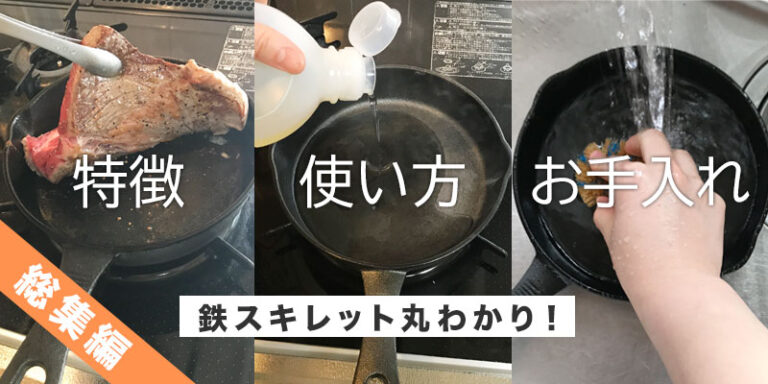
Iron Skillet Mastery: Features, Uses, and Care Explained
Complete rundown of iron skillet traits, how to use it, maintenance tips—everything a beginner and regular user should know.
blog.wahei.co.jpEnameled: The Convenience Middle Ground
Love cast iron's substance but dread the rust paranoia and seasoning theater? Enameled slots in perfectly. Glass-coat the iron core, and rust practically vanishes, odor transfer stops, and color stains don't stick. The visual finish is gorgeous—set it on the table and the whole meal looks elevated. Beach breakfast skillet or a gratin-style dish hits different in enameled.
Maintenance ease is the headline. You don't nurture an oil patina; you treat it like everyday cookware. Camping and home both feel natural. Most enameled models ship seasoning-free, so entry friction is low. (hinata's enameled write-up covers this grace period.)
The flip side is blunt. Surface chipping is the nemesis. Drop it, bump it hard, and that enamel coating fractures—cosmetic blemish plus structural compromise. Cast iron's dings age into character; enamel chips feel like failure. Open-flame cooking isn't forbidden, but it's less "tear into it" and more "steady, deliberate." A calm burner or a prepped firebed suits it.
Weight doesn't disappear. You still carry iron underneath, just prettier. Price tilts upward compared to bare cast iron. That said, if you want rust-free, easy cleanup, and true table presence all together, enameled delivers. It's less "camp gear" and more "pretty stovetop piece that travels."
Aluminum and Ceramic: The "Lightness" and "Beauty" Outliers
Aluminum's superpower is featherweight. For hiking trips, that margin is tangible. Backpacking days where every gram matters—that skillet's absence from your pack relief is real. Cleaning is simple, no seasoning required (most models), so even a weekend warrior feels at ease.
The honest trade: aluminum doesn't retain heat like cast iron. Food hits and temperature sags visibly. That beefy sear, that slow browning on thick cuts—cast iron owns it. Aluminum trades that for agility and minimal fuss. Short breakfasts, quick sauté-ups, casual cooks—aluminum plays. Most offer seasoning-free convenience, so it slots into "grab and go" trips beautifully. One caveat: some aluminum models aren't induction-compatible, so check if home cooktop matters.
Ceramic is the "stunning to look at" option. Ajiillo, gratin, baked curry in a ceramic dish—pure restaurant theater. No rust worries, fairly low-key upkeep. The warm, bowl-like presence is genuine kitchen poetry.
But in the field, ceramic is fragile. Shocks and rapid cooling are enemies. A hot ceramic pan moved suddenly to cold air invites cracks. Portability demands real care. It's a "gentle handling" tool, less "throw in the truck bed" and more "nestle in padding." Excellent for car-camp dates and Instagram moments; rougher for trail life.
These two serve different masters: Aluminum suits weight-conscious hikers; ceramic suits aesthetics-first planners. Cast iron still owns searing; enameled owns the home-and-camp middle. Choose your priorities and the material lands naturally.
Lid? Depth? Removable Handles?
A lid unlocks steam, smoke, and braise potential—not just "covered heat" but cooking modes you couldn't access before. Without one, you're a searing specialist; add it, and thick burger patties cook through gently, cheese melts from above, dumplings turn pillowy. Dinner's variety jumps. Trade: more weight and pack space.
When Lids Really Shine
Lids excel where top heat matters. Cook a burger, drop the lid, and the internal temp climbs evenly without charring the exterior further. Steam a batch of dumplings after searing—the filling steams while the bottom crisps. Smoky flavor wraps around food if you toss in wood chips under cover.
Finish braised dishes under a lid for cleaner sauce reduction. Cheese dishes melt reliably. Even just trapping residual heat after flame-off—that gentle carryover cooking—often pulls burgers and chicken breasts to perfect doneness.
Trade-off: the set-up is heavier and bulkier, especially for ultralight backpacking.焼き物 (broiling/searing) focus? Skip the lid, stay nimble. Stew-and-finish evenings? Lid earns its place.
Depth: The Unsung Hero
3–4cm deep is the "Goldilocks zone**—flips easily, handles light braise work, oils behave. Go shallower and sauce splashes; go deeper and flipping gets awkward.
Deeper skillets shine for oil dishes, stews, braised meat—anything with liquid. Ajiillo, braised burger, tomato braise, saucier dishes—deeper models corral the spill and let you pile in a bit more. One-pan nights want that cushion.
Shallow skillets own steaks, burgers, pancakes, breakfast plates. The low wall is your friend; a fish spatula slides in and flips without collision. Morning energy flows when there's no rim to fight.
LODGE 6.5-inch lands at ~3.0cm, favoring the sear-and-flip mood. LODGE 10¼-inch jumps to 4.7cm, opening the braising door. Size plus depth together paint the picture.
Removable-Handle Utility
Pack space and kitchen-plus-camp duality shine with detachable handles. No handle sticking out means tighter packing, ovens accept it more readily, then straight to table—no dish transfer. Space savings aren't flashy but real.
LOGOS's removable skillet S nails it: ~16cm mouth, ~3.5cm deep, ~1.2kg, and ships seasoning-free. Detach, oven-bake, set on table. Very civilized. At-home use feels natural.
Watch for: does the hinge feel rock-solid during cooking, or does it wiggle? A loose handle under wet-food weight is annoying. Buy models where attachment feels confident.
Initial Seasoning: The 6-Step Blueprint
Wash and Prep
Seasoning isn't mystical—it's just sequence. Read the manual first. (LODGE Seasoned models skip this; LOGOS removable models are seasoning-free; your manual says which.)
For models needing it, scrub with neutral dish soap and a sponge to strip factory oil and protective coating. Get the whole surface—rim, handle, underside. A metallic smell is normal at this stage, not a warning sign.
Dry and Heat Through
After washing, don't sit wet—get it warm. Medium-low flame, slow and steady. Not scorching-hot speed; gentle rise lets hidden moisture escape and preps the surface for oil. This patience-over-aggression step pays back in even finish.
💡 Tip
Never splash cold water on a hot skillet. Thermal shock cracks or warps it and ruins your initial work.
The goal is a dry, lightly warm surface—not charred. This soil is the foundation oil will cling to.
Oil Thinly, Then Cook Scraps
Once warm and dry, brush on just a whisper-thin coat—pale sheen, not glossy. Use kitchen staple oil (vegetable, canola, etc.). Quantity matters more than type.
Next: sauté vegetable scraps—onion ends, green onion whites, outer cabbage leaves. This isn't perfume; it's softening the iron's metal tang. CAMP HACK and solocamping guides confirm this step mellows raw-iron flavor noticeably. Cook the scraps and set aside.
Let cool, wipe oil-ish residue away, then brush on one final whisper-thin layer and store. The initial black patina takes time; this just sets the stage.
Post-Cook Care: Four Quick Steps, Every Time
Skillets aren't needy—just consistent. The four-step flow is wash → dry → oil → store:
Step 1: Warm-water scrub. Pour hot water in right after cooking while heat's still present, scrub with a brush or towel to loosen food. Tap water, no soap normally—that protects the oil film you're growing. Stuck food? Soak-and-brush beats forcing it.
Step 2: Flame-dry completely. Wipe water off with a cloth, then set on heat and let any hidden moisture vanish—watch for steam to stop. Corners and handle seams hide water; this step is non-negotiable. Campfire days? Re-fire before packing.
Step 3: Oil while warm. Brush on a whisper-thin layer while the pan is still warm—oil sinks in easier. Again, sheen, not gloss. Too much is next session's sticky mess.
Step 4: Store dry. Pack it somewhere moisture-proof. Nesting skillets? Slip paper between them to air-gap and stop seeping.
Short version: the whole routine takes 5 minutes if you're tidy. Make it habit, and rust paranoia evaporates.
💡 Tip
"Seasoning-free" models skip step 1's gentle treatment—you can use soap if you like. But even seasoning-free benefits from the dry-and-oil habit after each cook.
Tackling Stuck-On Char
Char isn't a failure; it's normal. Don't scrape violently. Soften first: pour hot water in, let it sit or warm gently, then scrub as the char loosens. Warm metal = yielding char. A wood spoon or brush works better than metal.
Stubborn patches? Baking soda paste—soak in hot water mixed with baking soda, then brush. The gentler approach protects the patina underneath. Once clean, dry completely, then re-oil and re-warm to reset the surface. This mini-re-seasoning step prevents that "cleaned-off" bare-metal feel.
Char keeps returning? Old oil burning onto the surface, not actual food. Soap-wash the whole thing, dry hard, re-oil thinner, warm it. Reset and move on. No drama.
Rust Rescue
Rust sightings are a jolt, but light rust is totally recoverable. Red-orange spots mean iron oxide formed—not a death sentence.
Scrub the rust patch with a brush or abrasive pad until bare iron shows. Wipe clean, immediately flame-dry hard, then brush on a thin coat of oil and warm gently to set it. This is mini-re-seasoning.
Broad rust? Repeat the scrub-dry-oil-warm cycle a few times. The surface will settle back to that dark, seasoned look as you cook on it again. Cast iron's magic is this bounce-back.
Rust repeats? You're either leaving moisture behind or over-oiling and baking old residue. Nail the dry-and-oil-thin habit, and rust fades to myth.
Skillet logic: clean and dry beats anything fancy. Ninety percent of rust is neglected moisture, not some flaw in your technique.
"Seasoning-Free" Models: The Real Deal
What "Free" Actually Means
"No seasoning required" really means "the factory seasoned it, so you skip step one." It's not "ignore maintenance forever." LODGE's Seasoned cast iron line proves this—factory-primed, ready to cook straight away. LOGOS's removable model goes full seasoning-free. Both sidestep the ritual but keep the dry-and-oil habit.
This is huge for first-timers. No "before I can even cook, I have to..." ceremony. Just heat and food. That psychological ease is worth real money for family camping or rushed mornings.
But no initial fuss doesn't erase ongoing care. You still dry it, still oil it lightly, still store dry. The difference is weeks-to-months of nursed patina before your first real cook; seasoning-free skips that. That's it.
Smart First-Use Mindset
Grab a pre-seasoned or seasoning-free model, then start with simple, forgiving recipes—eggs, bacon, sausage, basic sauté. Not blackened-fish or caramelized glaze day-one. Let the surface and your habits settle together.
Use it, wash it cool-and-dry, oil whisper-thin, store smart. Five cookings in, it feels like yours.
💡 Tip
Seasoning-free models suit people who want the cast-iron sear without the pre-ceremony. The tool still asks for care; the ritual just starts when you cook, not before.
Camp Style Picks
Car-Based Solo
Driving? Grab a 6.5–8 inch cast iron. Weight isn't a dealbreaker, and searing satisfaction is sky-high. LODGE 6.5-inch (15.5cm, ~3.0cm deep, 0.88kg) is solo's dream—breakfast eggs and bacon feel roomy, dinner steak doesn't crowd, and one-hand flips are doable.
Want a shade more room? 8-inch opens the range and is still hand-manageable from a car camp. Sear a real steak, sauté sides, grill a burger—comfort rises. Weight? Not a concern from a car.
Skip the lid unless you're a braising fanatic. Solo meals lean sear
Wrap-Up and Next Steps
The fail-safe selection order is: decide the max weight your transport allows, then size by headcount, then choose shallow vs. deep based on your go-to dishes and whether you need a lid, and finally refine by material and maintenance tolerance. If you're going with cast iron, check whether initial seasoning is needed on a per-product basis -- LODGE's Seasoned Cast Iron line and LOGOS's seasoning-free models, for example, come pre-treated. Best practice is to do an oil-conditioning pass and a test sear at home before your first trip; from there, a short maintenance routine after each use keeps things stress-free at camp. Prices and weights cited in this article reflect listings at the time of writing, so confirm current figures on manufacturer or retailer pages before purchasing.
Your next move: start by setting the weight bracket your transport method allows. Then decide shallow vs. deep and lid-or-not based on your most-cooked dishes, and factor in a handle cover or carrying case for packing convenience. Checking the tent selection complete guide alongside rounds out your overall gear picture.
Related Articles
Titanium vs Aluminum Cookware: Weight, Heat Conductivity, and Price Compared
On a cold morning at around 3,000 feet, boiling just 300ml of water on an OD canister stove for a cup of noodles, the appeal of a lightweight titanium pot is immediately obvious. But when evening rolls around and you want to cook a cup of rice and fry sausages the next morning, aluminum's even heat distribution makes cooking noticeably easier.
CB vs OD Gas Canisters: How Temperature Should Drive Your Choice
Choosing between CB and OD gas canisters comes down to three practical questions: where are you camping, how cold will it get, and how are you getting there? For spring-through-fall car camping at lower elevations, CB canisters win on availability and cost at around 100-200 yen (~$0.70-$1.40 USD) each. When temperatures drop or you're hiking in with your gear, OD canisters paired with lightweight stoves deliver the cold-weather reliability you need.
Mestin Rice Cooking: 5 Essential Tips and Easy Variations
Mestin rice cooking in Japan might seem difficult at first, but mastering just five fundamentals—water volume (rice portions), soaking time, heat control, steaming, and pot size selection—yields remarkably consistent and delicious results. Beginners often struggle with unclear guidelines on how much rice their mestin can handle and how much water to add, making this a cooking method where clear standards make all the difference.
10 Easy Camp Recipes for Beginners — Gear and Food Safety
The secret to better camp cooking isn't more complex recipes — it's choosing meals that are hard to mess up and easy to clean up after. Here are 10 beginner-friendly recipes compared side by side across tools needed, cook time, dishes, serving size, and storability, so you can find the right fit for your trip.